The “Flower” of Translation

更新日:5月25日
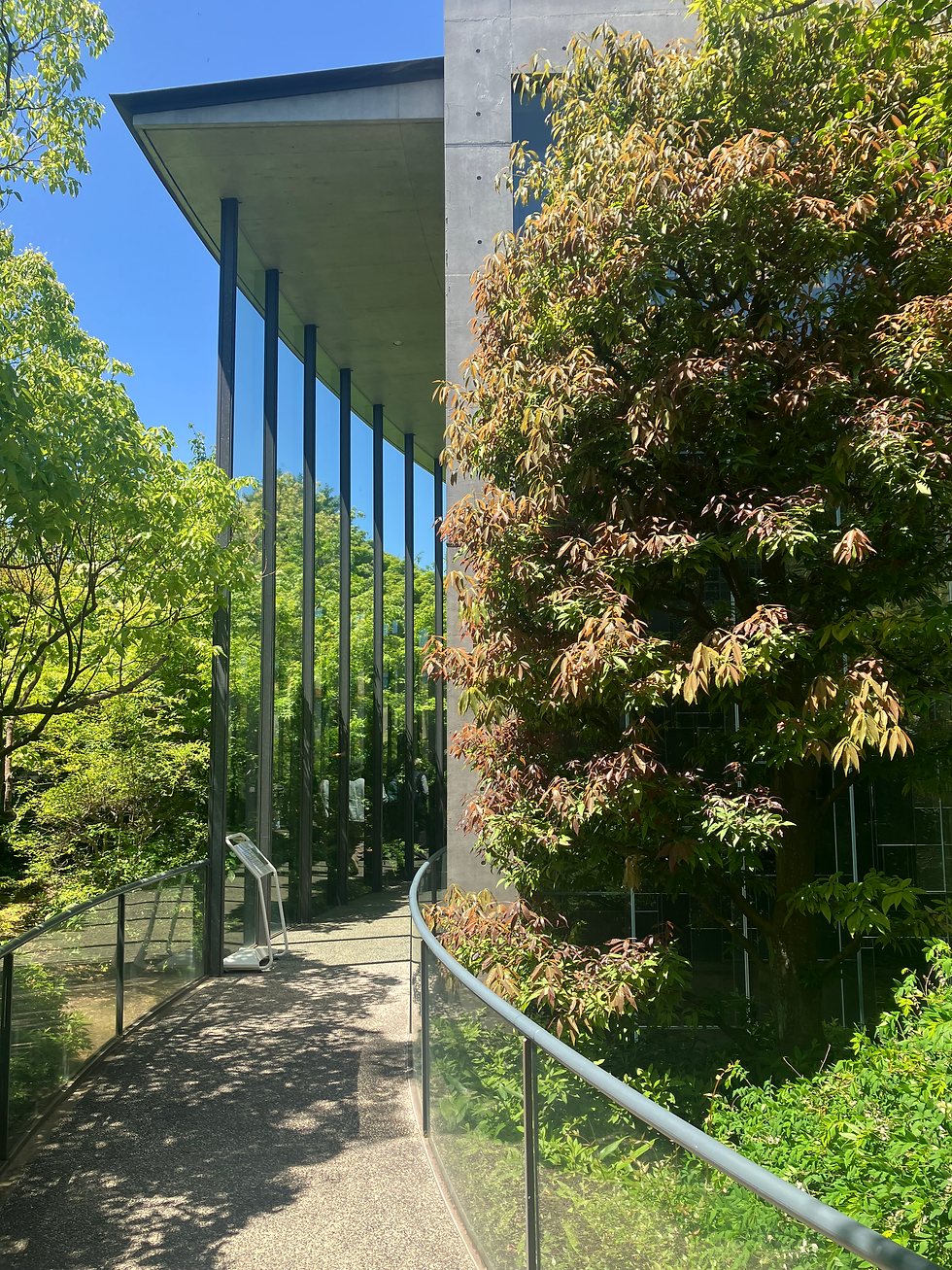
先日、司馬遼太郎記念館に行ってきました。
そこで、『坂の上の雲』の英訳版 Clouds above the Hill の翻訳編集をされた Phyllis Birnbaumさんの記事を読みました。記事の翻訳は、南谷覺正さんによるものです。
『坂の上の雲』は長編小説なので、英訳は3人の翻訳者によって手がけられたそうです。印象に残ったのは、編集者として、それぞれの翻訳者の個性的な「声」を削ぎ落とし、ひとつの文体に統一することはしなかった、という話でした。
もし翻訳者それぞれの声を消してしまえば、その文体にある「花」もしおれてしまう。そして、その「花」こそ、読者が求めているものではないか。もちろん、表現や固有名詞などは、ある程度整えられたとのこと。それでも、翻訳や編集にかけられた細やかな労力が、文章の向こうから伝わってくるみたいでした。

今は、AIが上手に翻訳してくれます。本当に便利で、私自身もよく助けてもらっています。きっと、文体に「花」のようなものを添えることも、ある程度はできるのだと思います。
でも、やっぱり何かが違う。
3人の翻訳者の声を、それぞれに生かす。
その人が選んだ言葉、その人のリズム、これまで見てきた世界。
そうしたものは、文体の奥から、そこはかとなく香ってくるのではないかなと思います。
そして、その人間らしい「花」のゆらぎと、読み手の想像力との小さな化学反応こそ、翻訳のおもしろさなのかもしれないと思いました。(K)
I visited the Shiba Ryotaro Memorial Museum the other day.
There, I read an article by Phyllis Birnbaum, who edited the English translation of Saka no Ue no Kumo, published as Clouds above the Hill. The Japanese translation of the article was by Akimasa Minamitani.
Because Saka no Ue no Kumo is such a long novel, the English translation was apparently done by three translators. What stayed with me was the story of how, as an editor, Birnbaum did not try to erase each translator’s distinctive “voice” or force the whole work into one uniform style.
If each translator’s voice were stripped away, the “flower” within the writing style would also wither. And perhaps that very “flower” is what readers are looking for. Of course, expressions and proper nouns were adjusted to some extent. Even so, I felt I could sense, from beyond the words, the careful labour that had gone into the translation and editing.
Today, AI can translate very well. It is truly convenient, and I myself often rely on it. I imagine that AI can, to some extent, add something like a “flower” to a writing style, too.
But still, something feels different.
To keep alive the voices of three different translators. The words each person chose, their rhythm, and the world they have seen. I feel that these things somehow rise from deep within the writing style.
And perhaps the true pleasure of translation lies in that small chemistry between the human, wavering “flower” of the text and the imagination of the reader.
Reference
Shiba Ryōtarō. Clouds above the Hill: A Historical Novel of the Russo-Japanese War, Volume 1. 1st ed. Edited by Phyllis Birnbaum. Translated by Juliet Winters Carpenter, Andrew Cobbing, and Paul McCarthy. Routledge, 2014.


コメント